




Với định hướng trở thành nhà cái trực tuyến toàn cầu, Fun88 không ngừng mở rộng phạm vi hoạt động, có mặt ở nhiều quốc gia khác nhau trên khắp thế giới, bao gồm cả Việt Nam. Dù tại bất kỳ thị trường nào Fun 88 cũng luôn nỗ lực mang tới dịch vụ cá cược online chất lượng nhất. Người chơi chỉ cần truy cập đúng link vào Fun88 chính thức là có thể trải nghiệm hàng nghìn trò chơi hấp dẫn.

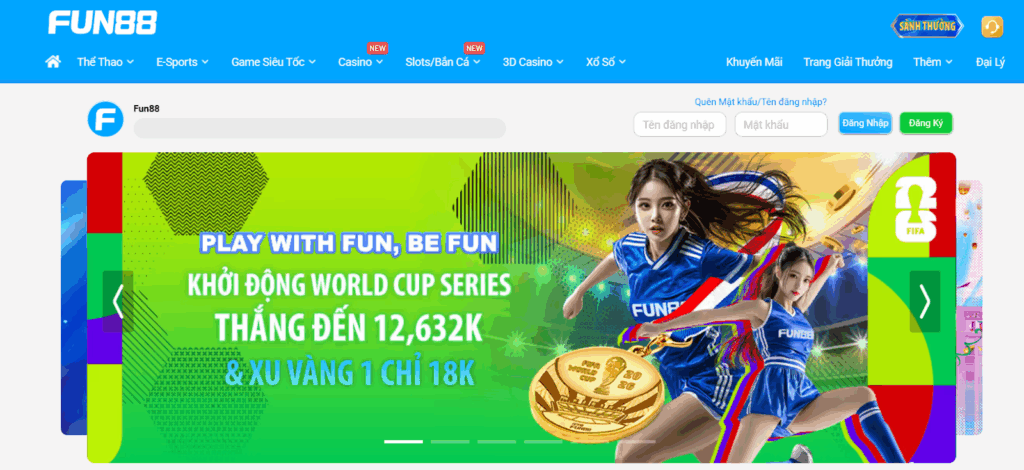
Fun88 – Trang web cá cược hàng đầu Việt Nam ai cũng phải thử một lần trong đời
Năm 2008, nhà cái Fun88 chính thức được thành lập với trụ sở chính đặt tại Philippines và hoạt động theo cấp phép của tổ chức quản lý dịch vụ cờ bạc trực tuyến PAGCOR. Sau khi đứng vững tại thị trường trong nước, Fun 88 bắt đầu mở rộng phạm vi hoạt động, tiến quân vào nhiều quốc gia châu Á, bao gồm cả Việt Nam. Nhờ luôn mang tới các sản phẩm cá cược mới mẻ, chất lượng, đảm bảo an toàn, quyền lợi cho người chơi, Fun88 Việt đã nhanh chóng trở thành website cá cược hàng đầu ở nước ta với số lượng thành viên đông đảo.
Bên cạnh đó, nhà cái Fun88 còn được biết tới với vai trò là nhà tài trợ chính thức cho nhiều CLB Ngoại hạng Anh lớn như Newcastle United và Tottenham Hotspur,… Điều này vừa cho thấy được tiềm lực tài chính của Fun88 nhà cái cũng như khẳng định uy tín và vị thế trên thị trường.
Các sản phẩm cá cược online tại nhà cái Fun88 người chơi không thể bỏ qua
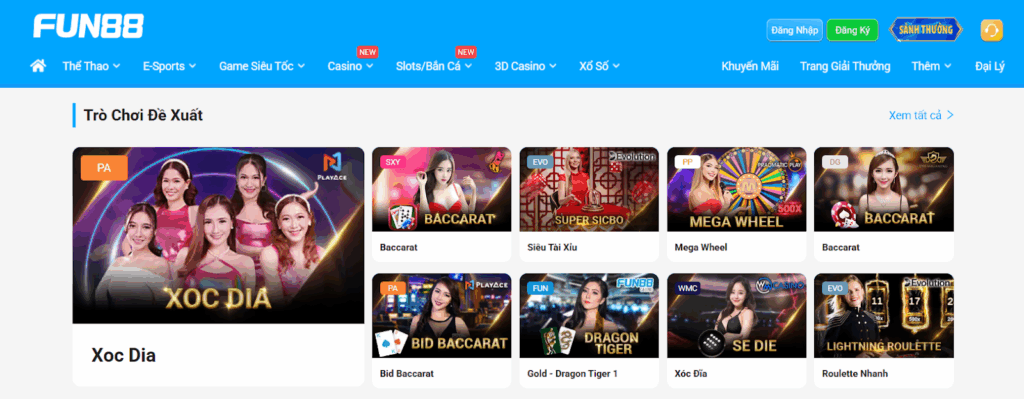
Tại nhà cái Fun88 Việt Nam, bạn có thể tìm thấy hàng nghìn trò chơi khác nhau thuộc các thể loại như:
- Thể thao: Đặt cược dự đoán kết quả các trận đấu thuộc giải đấu bóng đá, bóng rổ, bóng chuyền, cầu lông, tennis, boxing, khúc côn cầu,…
- Thể thao điện tử: Cập nhật liên tục các kèo cược LOL, DOTA 2, CS:Go, PUBG, Valorant,… với tỷ lệ cược đa dạng
- Casino: Thử sức với các game Casino trực tuyến của tại link Fun88 chính thức cực hấp dẫn, kịch tính như Baccarat, Blackjack, Sicbo, Roulette, Dragon Tiger,…
- Slot: Cung cấp hàng nghìn tựa game Slot của các nhà phát hành game lớn với đồ họa 3D sống động, tỷ lệ RTP cao
- Xổ số: Trải nghiệm các trò chơi xổ số online như Xổ số Bắc – Trung – Nam, xổ số Thái Lan, số đề,…

Lý do thu hút số lượng lớn người chơi đăng ký Fun88 mỗi ngày
Không phải tử nhiên mà một lượng lớn người chơi đổ bộ đến trang nhà cái Fun88 và đăng ký Fun 88 mỗi ngày. Tham gia cá cược tại nhà cái Fun88 Việt Nam, bạn có thể nhận được rất nhiều lợi ích. Đây cũng là ưu thế giúp nhà cái cạnh tranh với các đối thủ cùng lĩnh vực:
- Thỏa sức trải nghiệm hàng nghìn game cá cược online hấp dẫn, được cung cấp bởi những nhà phát hành game lớn
- Game cá cược chất lượng, đảm bảo tính công bằng, minh bạch trong các kết quả và có tỷ lệ thưởng cao
- Nhiều chương trình khuyến mãi hấp dẫn với điều kiện nhận thưởng đơn giản
- Nạp rút tiền tại Fun 88 nhà cái cực kỳ nhanh chóng, không hề mất phí, thủ tục thực hiện các giao dịch rất đơn giản
- Dịch vụ CSKH của Fun88 rất chuyên nghiệp, tư vấn, hỗ trợ người chơi 24/7
- Ngoài website, Fun88 Việt còn có cả App mobile cho Android và iOS với thiết kế giao diện thân thiện cho người chơi cá cược dễ dàngHệ thống bảo mật hiện đại, đạt chứng nhận quốc tế, đảm bảo an toàn thông tin cho mọi bet thủ
Các chương trình khuyến mãi hấp dẫn tại Fun88
Fun 88 Việt liên tục cập nhật các chương trình khuyến mãi dành cho cả thành viên mới và thành viên VIP để khích lệ tinh thần người chơi. Trong đó, các khuyến mãi Fun88 hấp dẫn nhất phải kể tới:
- Thưởng chào mừng thành viên mới nạp tiền lần đầu
- Thưởng giới thiệu bạn bè tham gia Fun88 nhà cái cá cược
- Chương trình VIP siêu tốc với ưu đãi độc quyền cực lớn
- Thưởng hoàn lại không giới hạn,…
Các chương trình khuyến mãi Fun88 đều có giá trị thưởng cao và liên tục được cập nhật, mang lại cho người chơi thêm món “hời” lớn.
Nếu bạn yêu thích cá cược nhưng chưa tìm được nhà cái uy tín hãy đến với Fun88 và đăng ký ngay tài khoản thành viên. Tại Fun88, bạn không chỉ được trải nghiệm những game cá cược hấp dẫn, chất lượng, đảm bảo tính công bằng, minh bạch mà còn có thể hưởng tỷ lệ cược tốt cùng nhiều khuyến mãi giá trị.